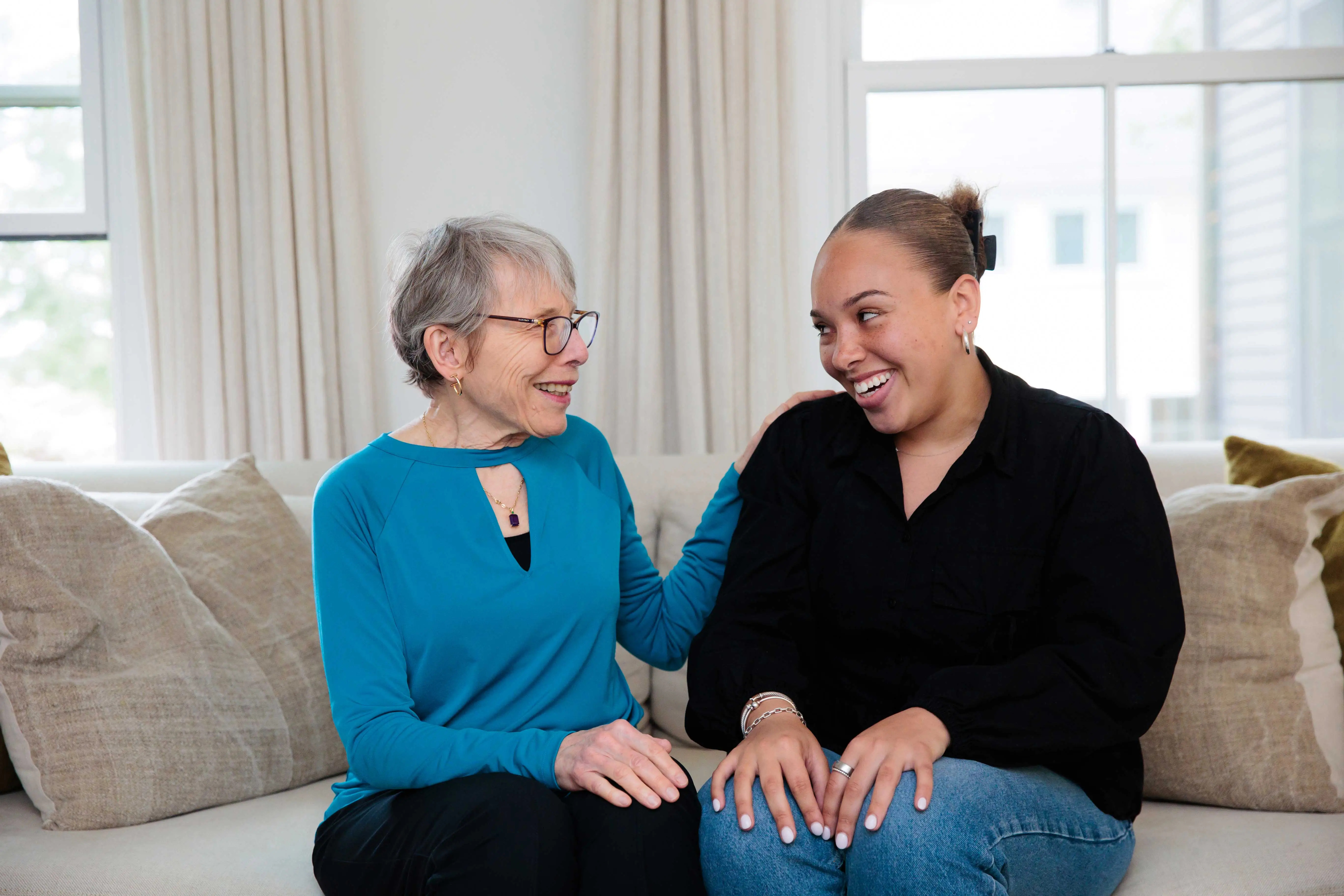
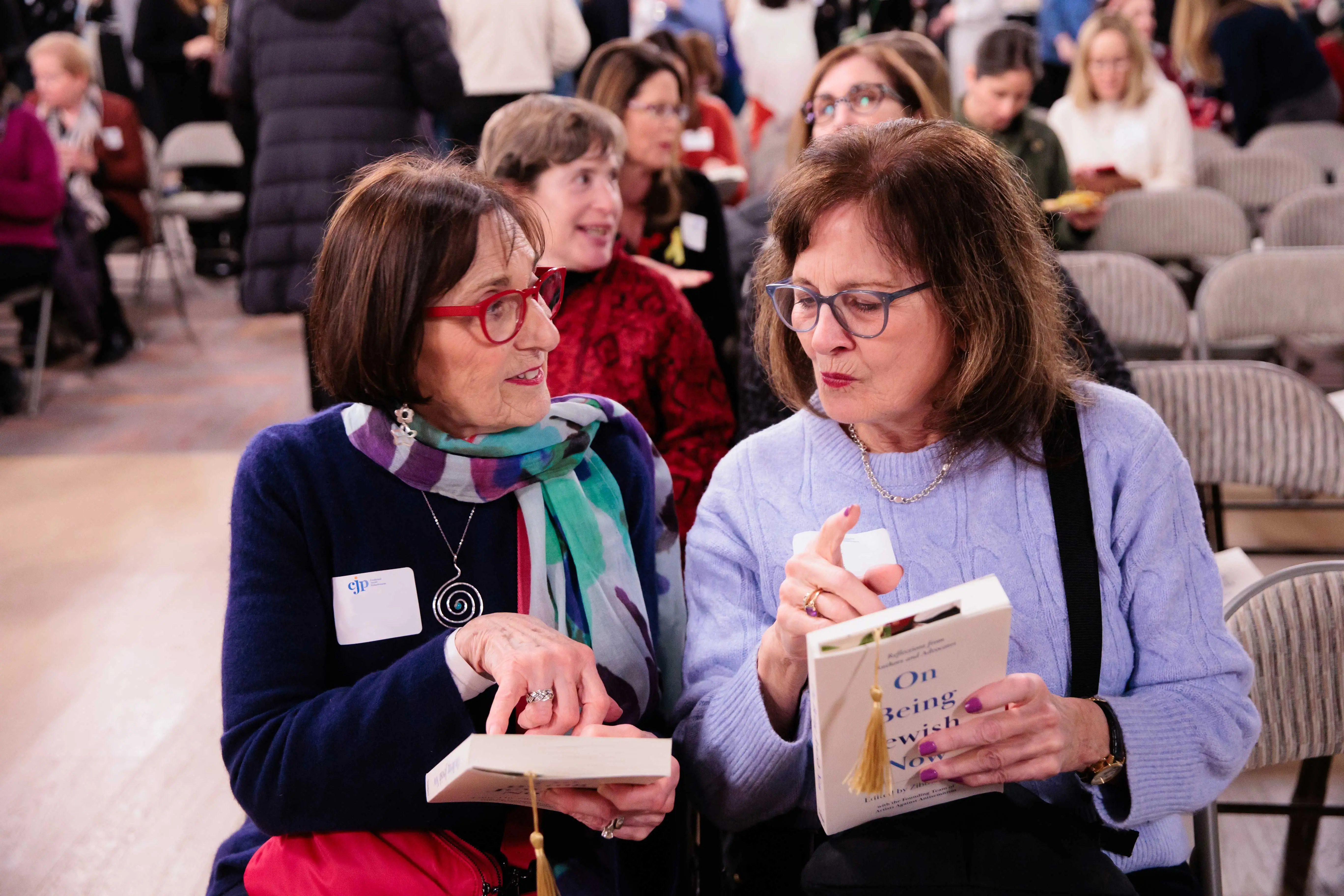
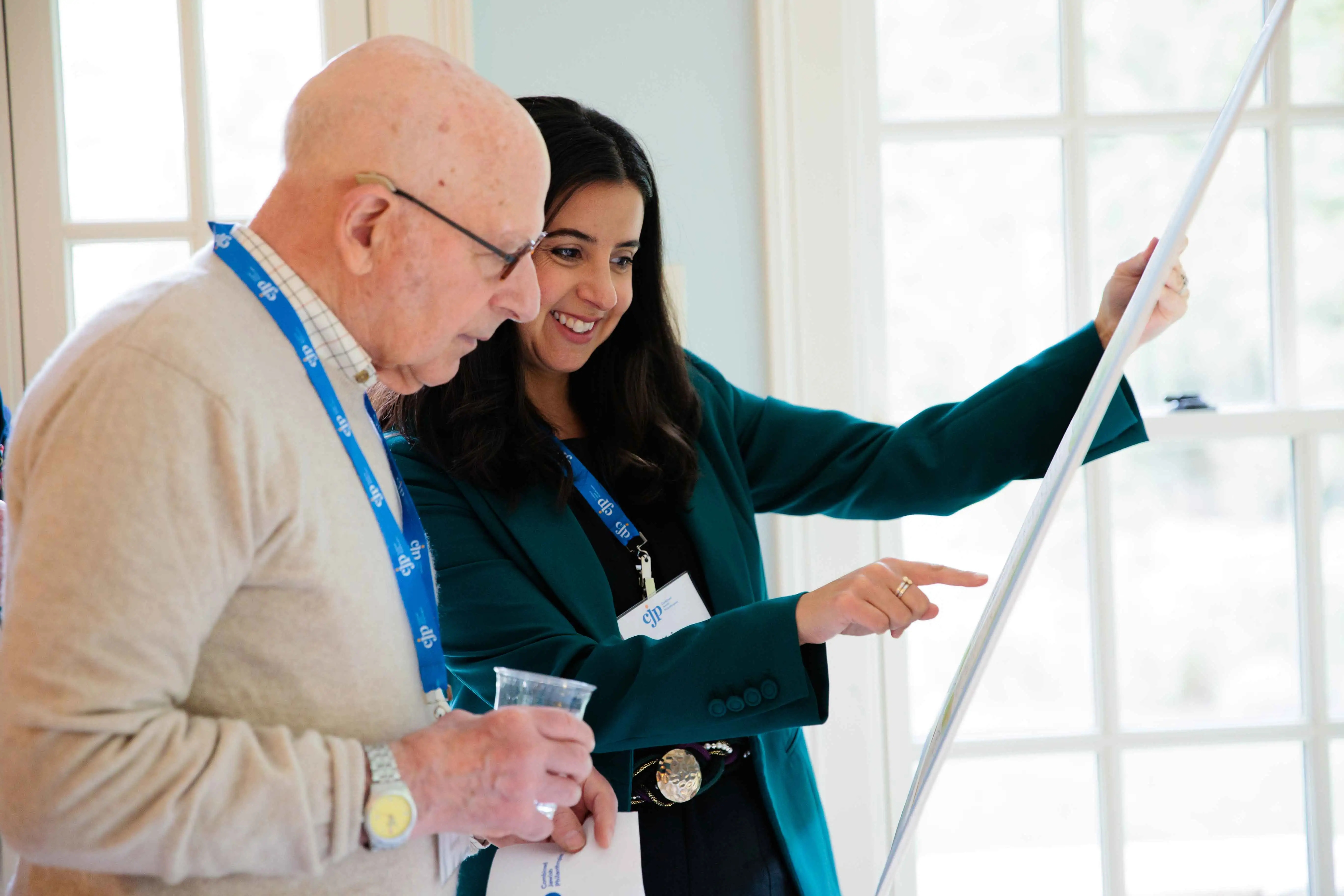
We participate in Jewish organizations. That's what my parents did, that's what their parents did. That just feels like part of my core identity.
The Greater Boston Jewish Community Study is a data-driven, in-depth analysis including demographics, attitudes, participation levels, and geographic profiles.
With 332,200 people living in 138,300 Jewish households, Boston is home to one of the largest Jewish communities in America.

Our community is dynamic, evolving, and multidimensional, with shared interests and commitments that unite us.
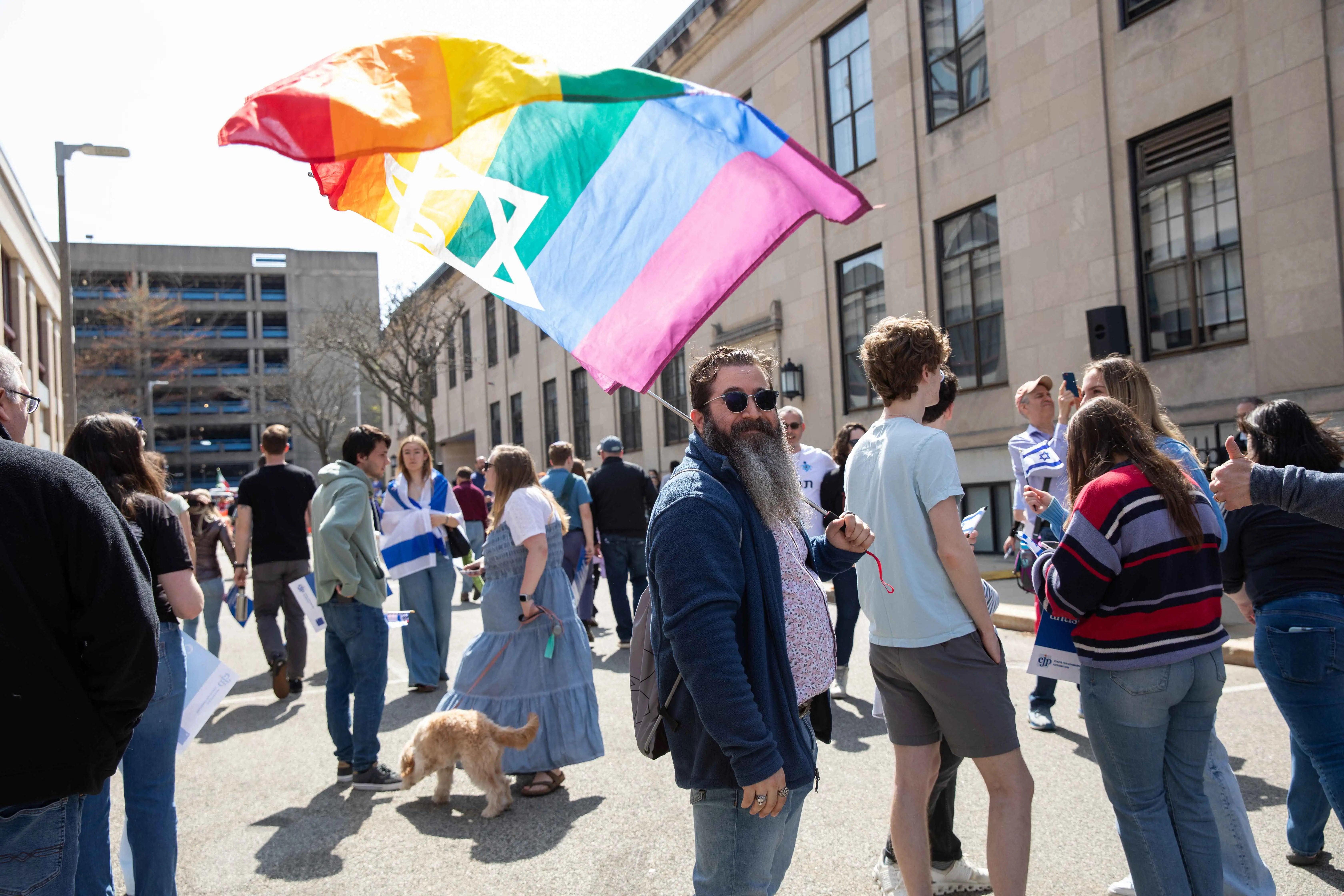
The Greater Boston Jewish community is vibrant and diverse. It brings together people from many backgrounds, traditions, and experiences, creating a dynamic and inclusive environment. Interfaith families, varied cultural identities, and multiple languages enrich our community, making it a place where everyone can feel connected and valued.
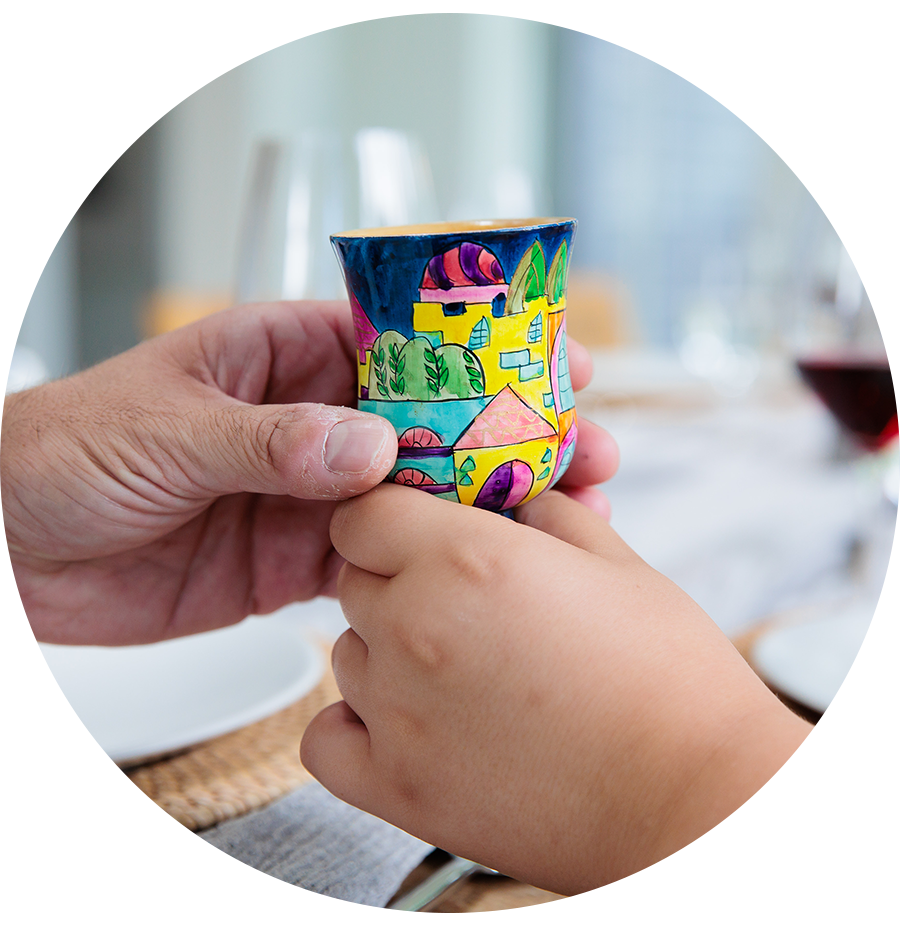
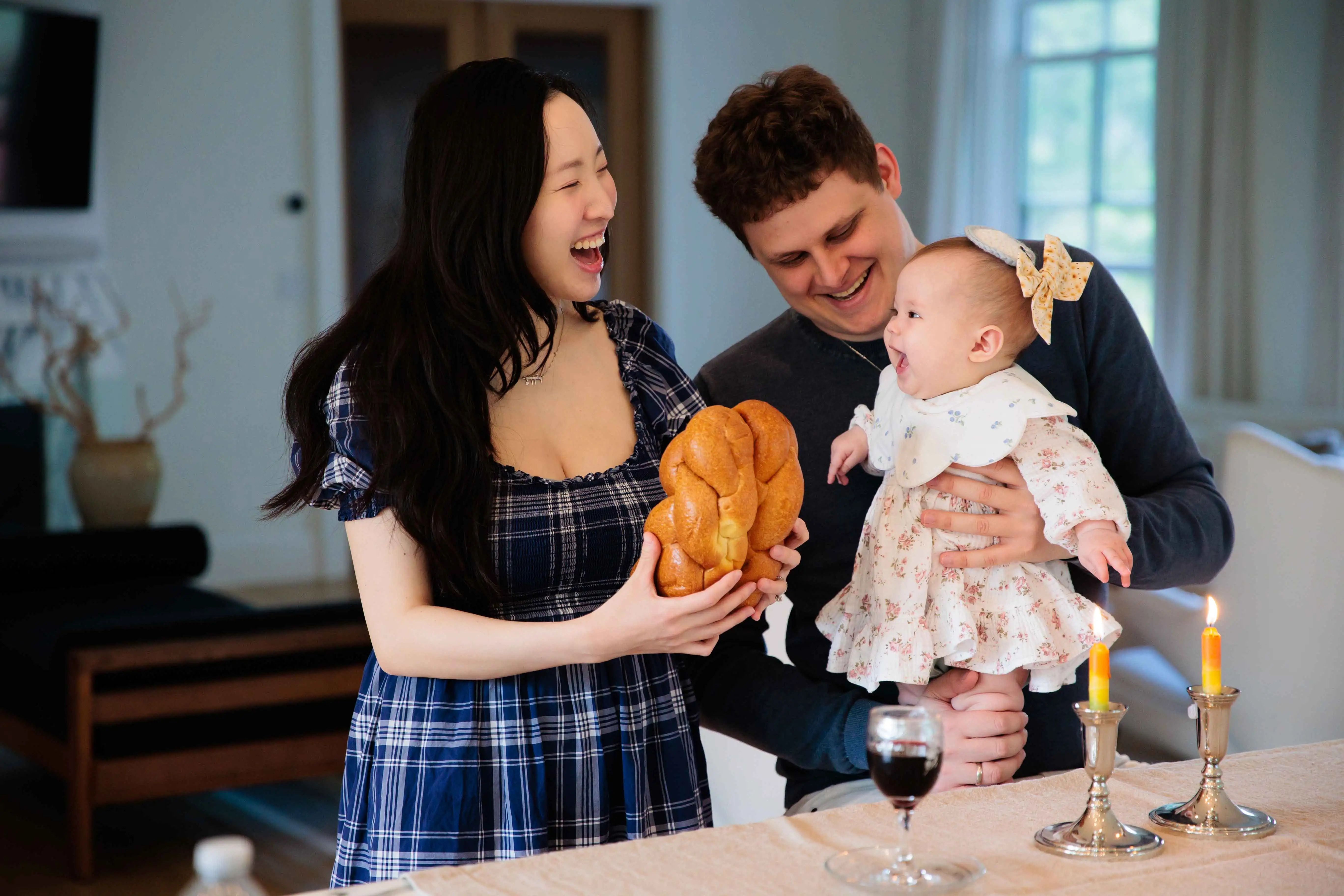
Our community reflects a deep sense of responsibility to one another and to the broader world. Holocaust remembrance, family traditions, and ethical living are consistently viewed as essential aspects of being Jewish. These elements form a common core of Jewish identity, even among those who differ in their religious practices or connections to Jewish life.

Jewish life is thriving, even as significant barriers limit participation for some members of our community.
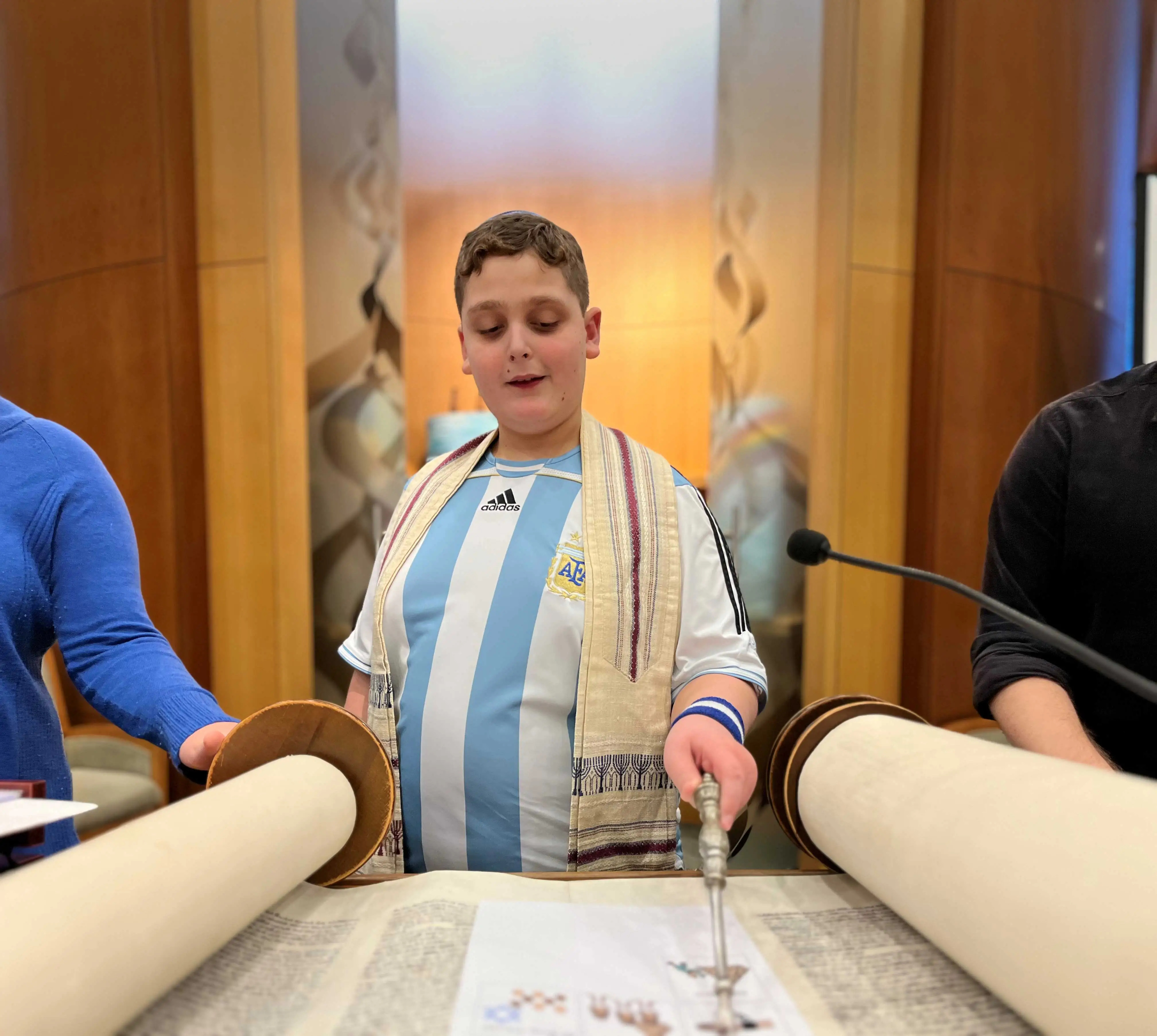
Jewish life in Greater Boston is vibrant and deeply rooted in tradition and community. Synagogues remain central hubs for spiritual, cultural, and social connection, offering spaces where individuals and families come together. Jewish education continues to be a powerful force for continuity, with day schools and summer camps helping to sustain identity and values across generations.
Yet barriers to participation persist. Many community members seek connection but struggle with awareness and access, making entry into Jewish life challenging. While most agree that belonging to a Jewish community is important, levels of engagement vary widely, reflecting diverse needs and experiences. Addressing these gaps is essential to ensure that every individual can find their place in a thriving, inclusive Jewish community.

1 in 3 said they were not aware "at all" of Jewish events, activities, or programs in the Greater Boston area.


Significant numbers of our community members report concerns about their safety, security and well-being.
Concerns about safety and security are shaping how some community members live their daily lives. Many have adjusted behaviors—such as how they visibly express their Jewish identity or where they share viewpoints—because of worries about personal safety. These changes reflect the impact of safety concerns on individual choices and public engagement.
Economic and emotional challenges are also prevalent within the community. A notable portion of households experience financial strain, material insecurity, or mental health challenges.
.webp)


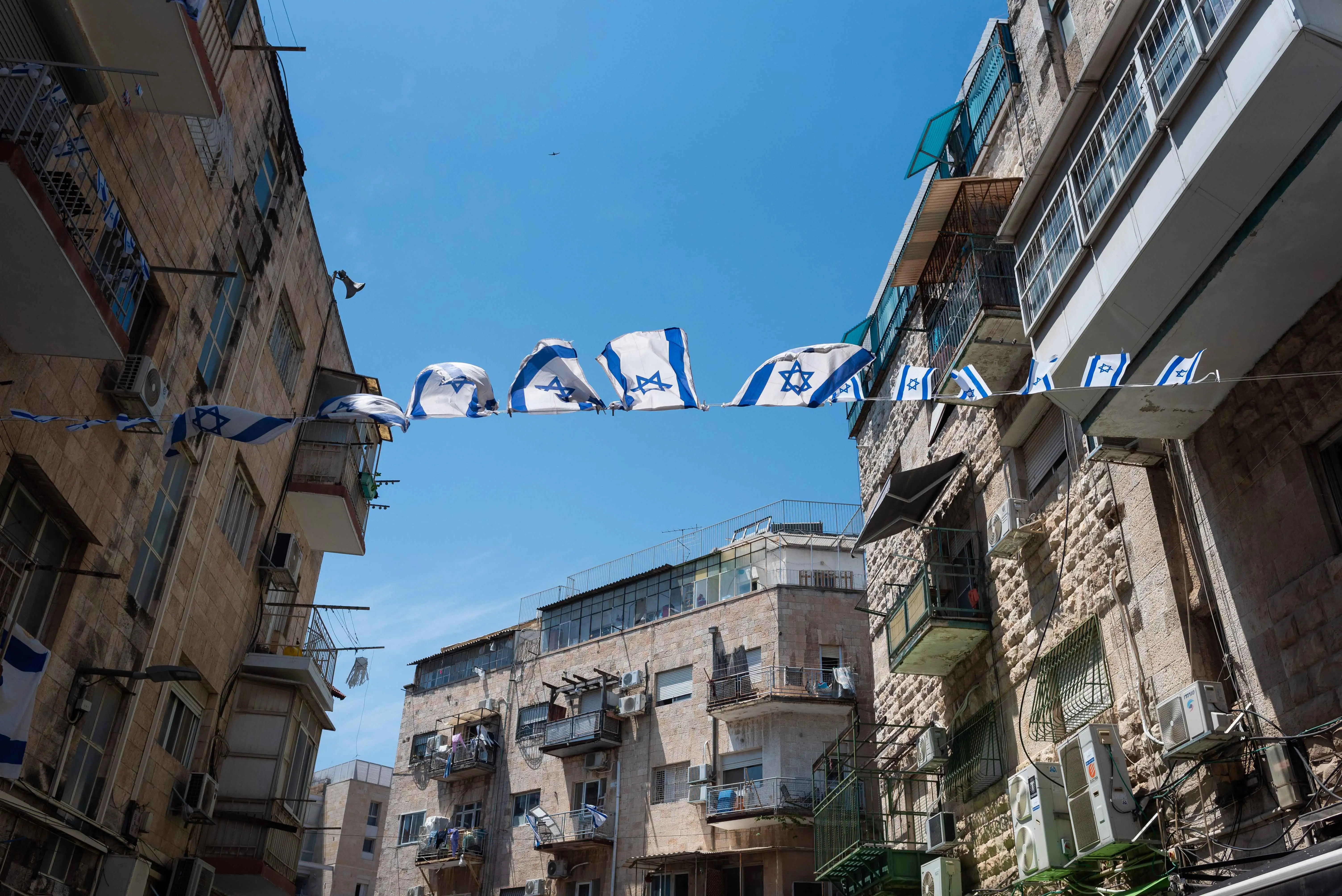
Our community is deeply committed to Israel, though the nature of that commitment varies widely.
Connections to Israel vary widely across the community. For many, Israel is an important part of Jewish identity, but the depth and nature of that connection differ. Some feel strongly connected - through travel, news, and cultural opportunities - while others express ambivalence or remain ideologically uncommitted.
Views on Zionism and dialogue about Israel reflect a broad spectrum of positions. Opinions range from Zionist to anti-Zionist, with generational differences shaping these perspectives. While many seek respectful conversations grounded in shared principles, creating spaces for dialogue remains challenging.
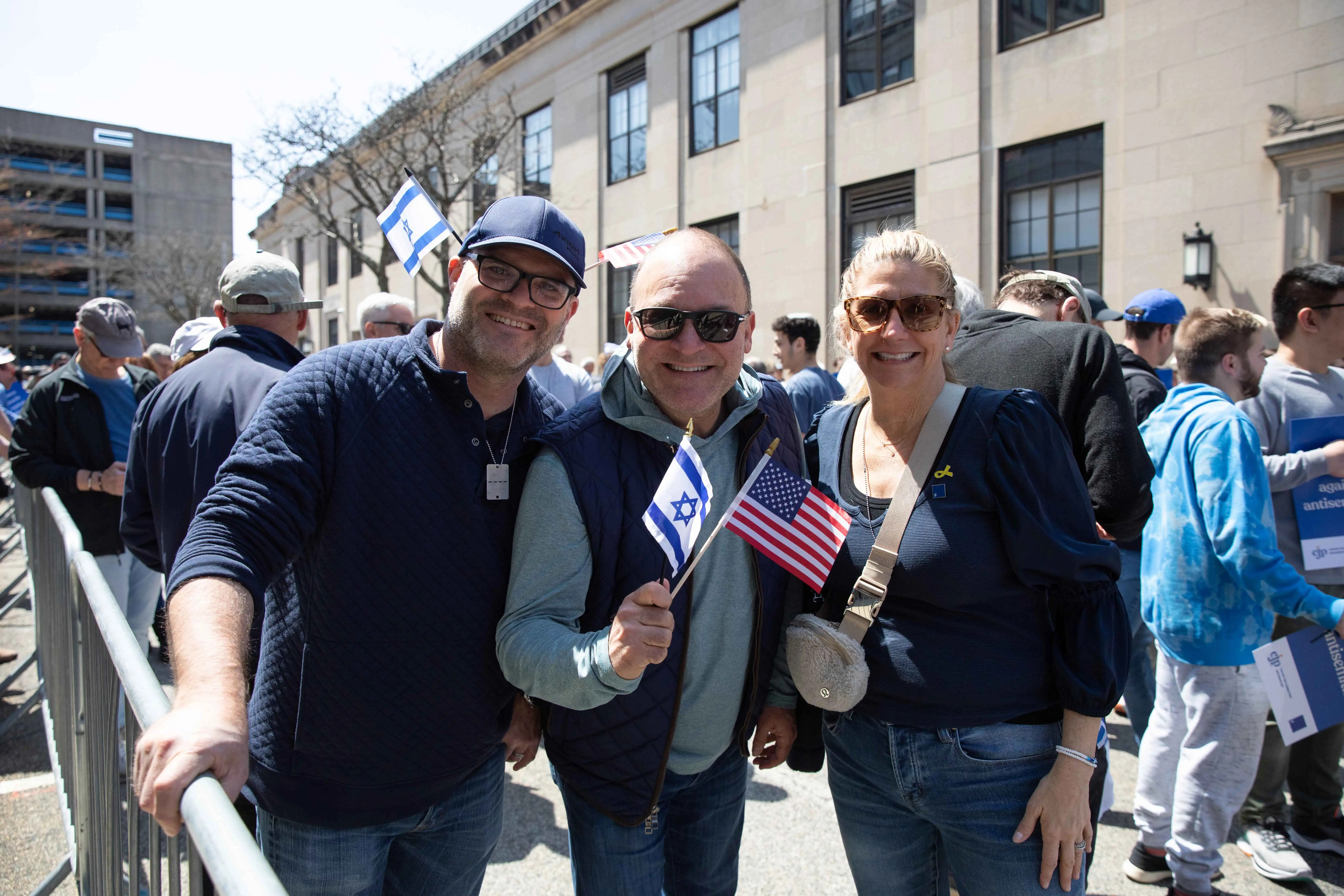
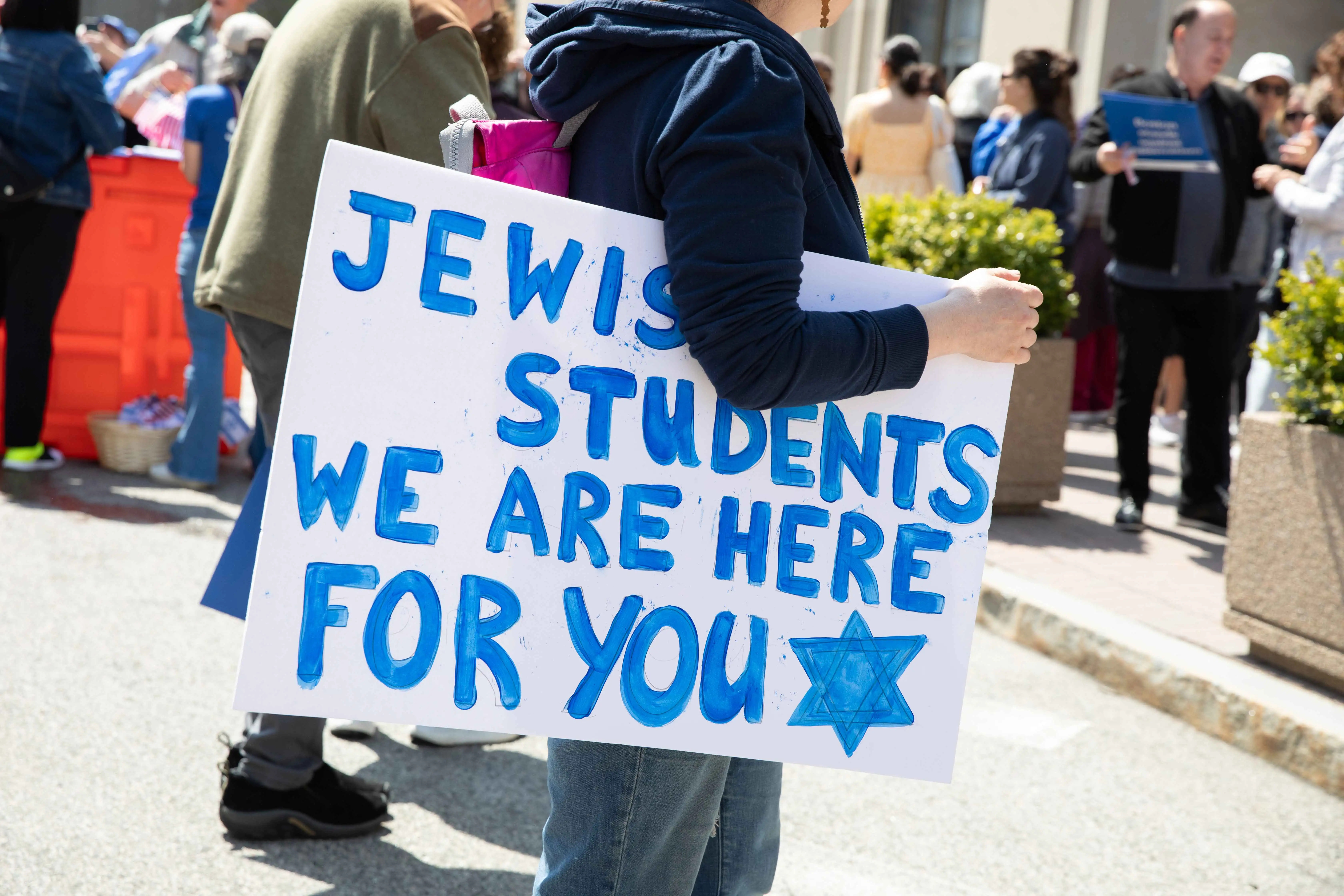
There are significant generational differences around Israel, antisemitism, well-being, and expressions of Jewish identity.
Generational differences shape how community members relate to Israel, antisemitism, and Jewish identity. Younger adults are less likely to feel connected to Israel or concerned about antisemitism locally, while older adults tend to express stronger Israel attachment and concern about antisemitism. Views on Israel's role as a Jewish nation-state also vary widely across age groups, reflecting a complex and evolving conversation within the community.
Experiences of belonging and well-being also differ by generation. Many younger adults report feeling disconnected from the Greater Boston Jewish community and face higher rates of emotional distress and loneliness compared to older adults. These contrasts highlight the diverse perspectives and needs across age groups, shaping how Jewish identity and engagement are expressed today.
Explore the the key findings