
Dear Friends,
The other day during a meeting, I made a comment that was off base — not offensive, but wildly incorrect. Later, a colleague who was present sent me a text that said, “So you’re human. We should celebrate!” Her text was a light-hearted way to make me feel better, but it reminded me of a profound message I once heard from a rabbi about the breaking of the glass at a wedding.
Why, the rabbi asked, do we yell mazel tov when we break the glass? Some people believe or hope they are marrying someone perfect. Then they spend their life trying to make their partner conform to that image, frustrated and disappointed when they fall short. Truthfully, the rabbi taught the young couple, none of us want to spend our lives with someone who is perfect. That would be like being married to a robot — boring! What makes relationships with others exciting and meaningful is that each of us has unique strengths and gifts, as well as unique flaws and imperfections. But what a joy to grow older with someone who is still forming, changing, learning, and evolving — sometimes in surprising ways. When we break the glass, the newlyweds celebrate each other’s imperfections, as if to say, “I’m so happy I’m marrying a human being. I love you, flaws and all.”
My colleague’s text and this wedding message resonated with me this week as we begin again the cycle of Torah readings with the Book of Genesis. In it, we are introduced to God, human beings, and the world. If we had any illusions about whether any of them are perfect, Genesis dispels them quickly. Expulsion from the Garden of Eden, fratricide, the flood, incest, corruption, the Tower of Babel ... that’s the story of humanity even before we get to Abraham and the first generations of Jewish families, which themselves illustrate the messiness of familial life and human relationships. What I love about Torah and our Jewish tradition is that our faith does not rest on the illusion of perfection, and being good does not equate to being flawless.
The story of Genesis, which sets the tone for all of Judaism and so much of Western religion and thought, is that we are imperfect creations in an unfinished world. That is the starting point for our work — our charge — as human beings: to strive to be the best version of ourselves; to create societies that reflect the best of our values; and to see the ways our world is broken and play whatever small parts we can in its repair. The very fact that we get to play a role in writing new chapters of this unfinished story is the miracle of creation.
I am so grateful to be doing this work in this community with all of you, and I am grateful to my colleague for reminding me this week of my humanity, flaws and all.
Shabbat Shalom,
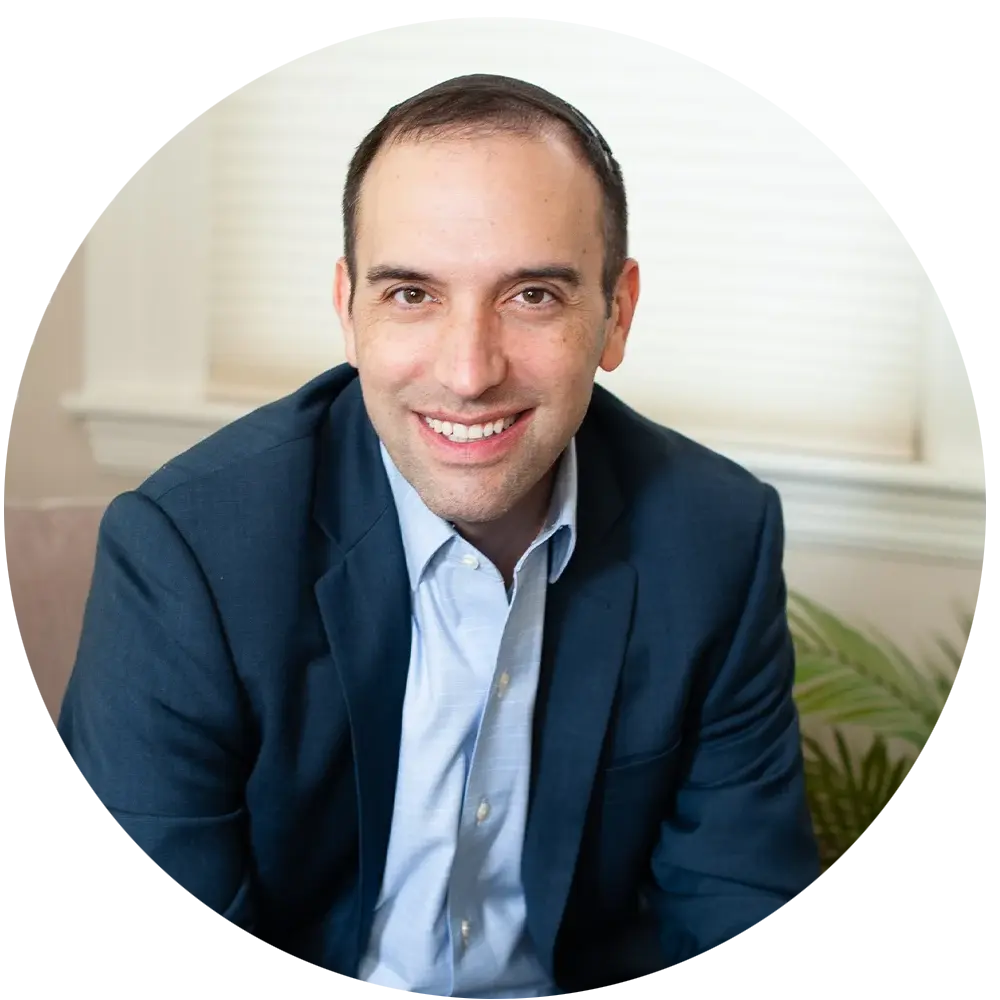
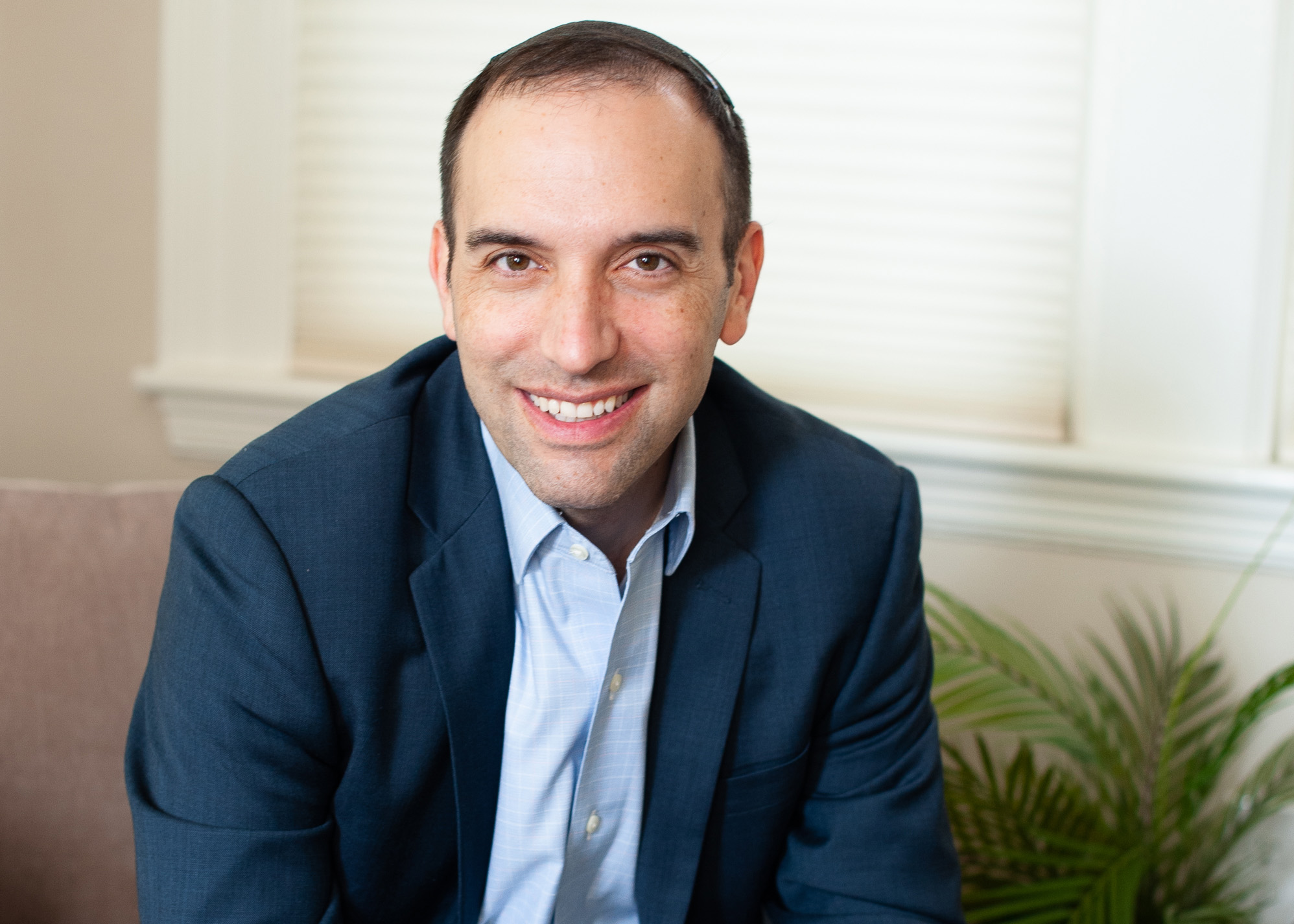
Rabbi Marc Baker
As President and CEO of Combined Jewish Philanthropies of Greater Boston (CJP), Marc leads the organization in its mission to inspire Jewish life and ignite positive change in Greater Boston, in Israel, and across the globe. He champions CJP’s efforts to build partnerships, develop resources, mobilize volunteers, and put innovative philanthropy into practice. Marc regularly writes, speaks, and teaches about leadership, community, and civic life, bringing the voice of Jewish tradition to contemporary issues. Marc graduated from Yale University in 1997 with a Bachelor of Arts in religious studies and received his Master’s in Jewish education from The Hebrew University in 2002. Before coming to CJP, Marc served as head of school at Gann Academy in Waltham. Born in Lynnfield, Marc currently resides in Brookline with his wife, Jill, and they have four children.
Renewal and Return: A Creative High Holidays Retreat
More Stories like this
Change Starts With Us | CJP Marc Baker
From Volunteer to Donor: One Young Adult's CJP Journey
Get to know your 2026 Annual Campaign Co-chairs
Lifting the Community in a Moment of Need